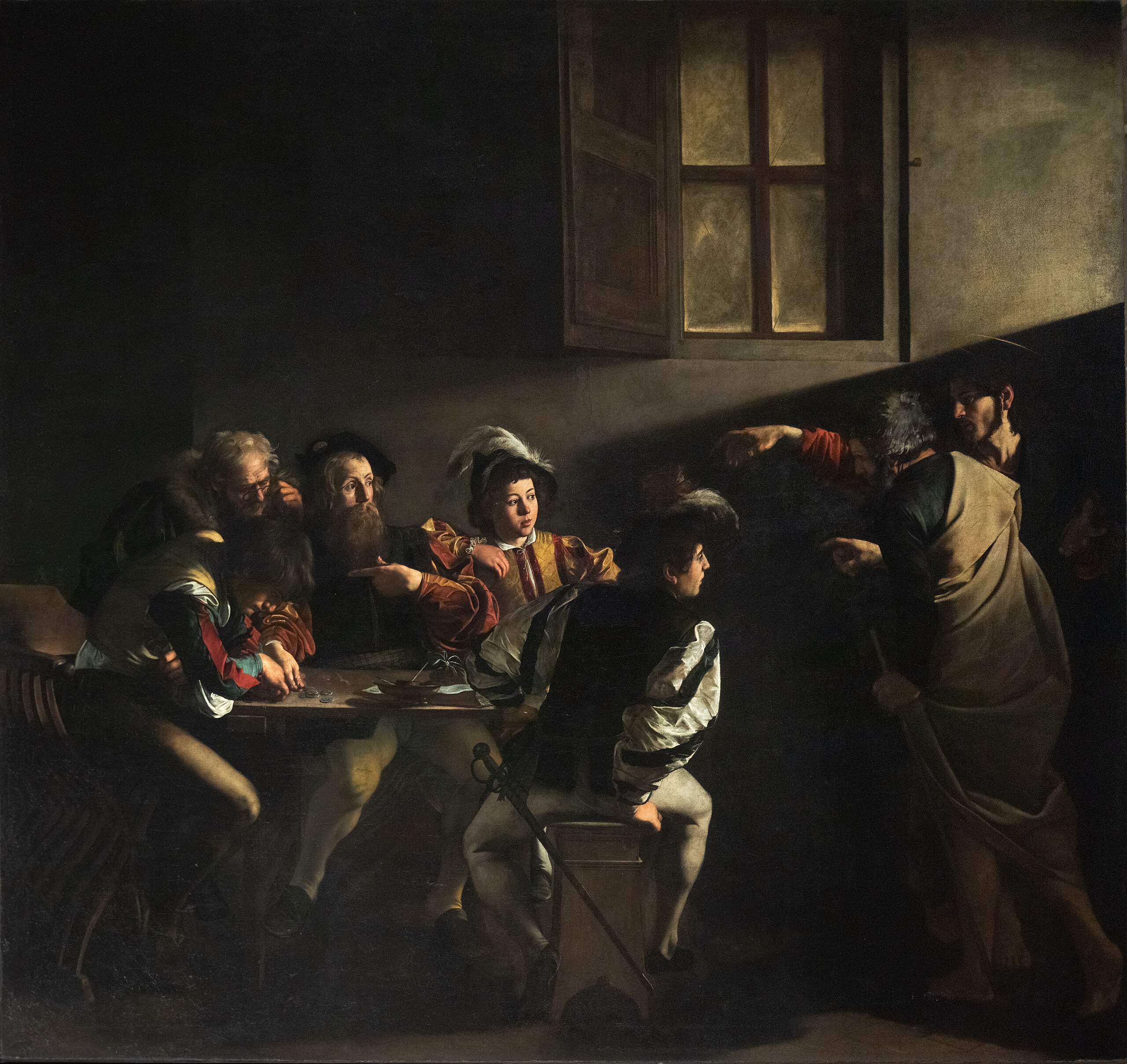
Artists now think in scenes — Caravaggio, Rembrandt, Rubens, Velázquez, Vermeer, Poussin — deciding where the main light will fall, where darkness will recede, how the viewer's gaze will travel across the figures
In Caravaggio and Rembrandt, light literally carves faces and hands out of darkness. Light falls locally, like a spotlight, building the volume of face, hands, fabric. In Vermeer it quietly fills the room and the cloth on the table; in Rubens and Velázquez, water, skin, and metal react to the slightest tonal shift. The brushstroke also ceases to be an invisible seam: in the late works of Rembrandt and Velázquez, the texture of the paint itself creates the sensation of a living surface. Artists paint in oil over dense ground, carving figures from darkness, constructing space through diagonals and the depth of interiors.
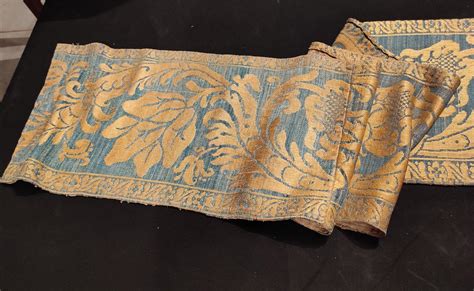
In palace interiors, fabric occupies half the space: draperies, canopies, carpets, upholstery. What the painter depicts on canvas actually exists around him: court wardrobes and church vestments provide ready examples of light in folds, sheen on silk and gold.
Color is built around the contrast of light and dark
Color at this moment still relies on the same ochres and earths (sienna, umber, and others), lead white, cinnabar, organic reds, blues based on azurite and lapis lazuli, greens from copper. But in the 17th century, what matters is no longer the paint itself so much as its behavior in light.
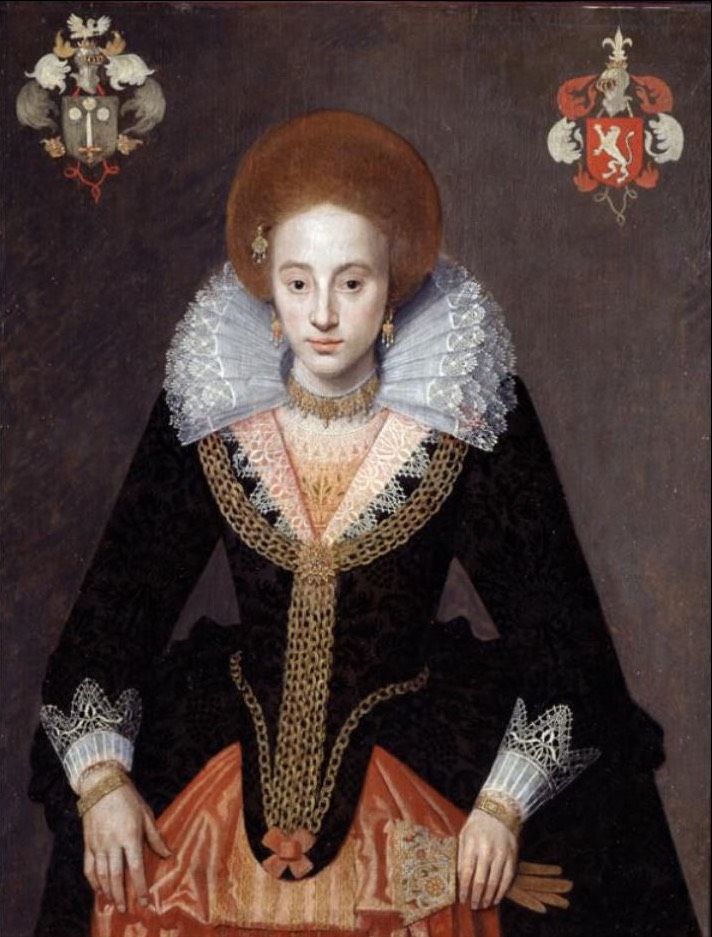
Dense dark backgrounds gather browns and greens so that the face, hands, and white collar flare up as brightly as possible. Deep red in cloaks and draperies draws drama and power toward itself; black in Spanish and Dutch costumes simultaneously signals severity, piety, and the costliness of the dye; white cuffs and collars cut through the darkness, marking both light and "cleanliness" — literally and socially. Gold plays not as a solid background but as pinpoint highlights: a buckle, a dish, an earring, a fabric border — a signal of where the final accent of the gaze should land. The way color is distributed across the painting becomes more theatrical: a light patch of a dress against a dark ground, a red cloak at the edge of the composition, a golden tablecloth that pulls an entire group from the half-light around the table.
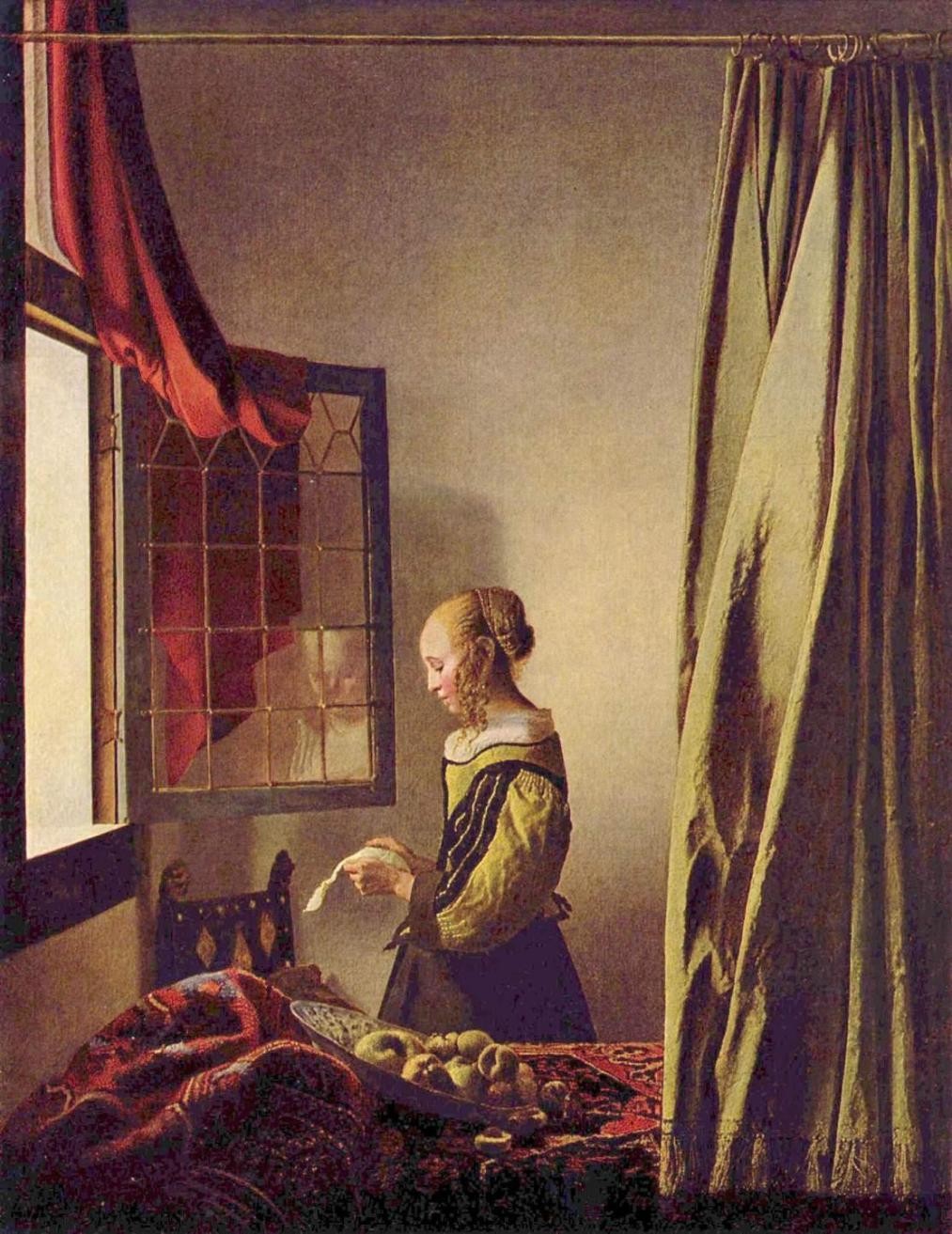
Color and light together construct the path of the gaze, the dramaturgy.
Textiles and clothing shift into baroque mode
Velvet, silk, satin, fur, lace, embroidery, carpets, draperies — all of this is simultaneously the real life of the court and a language of signs.
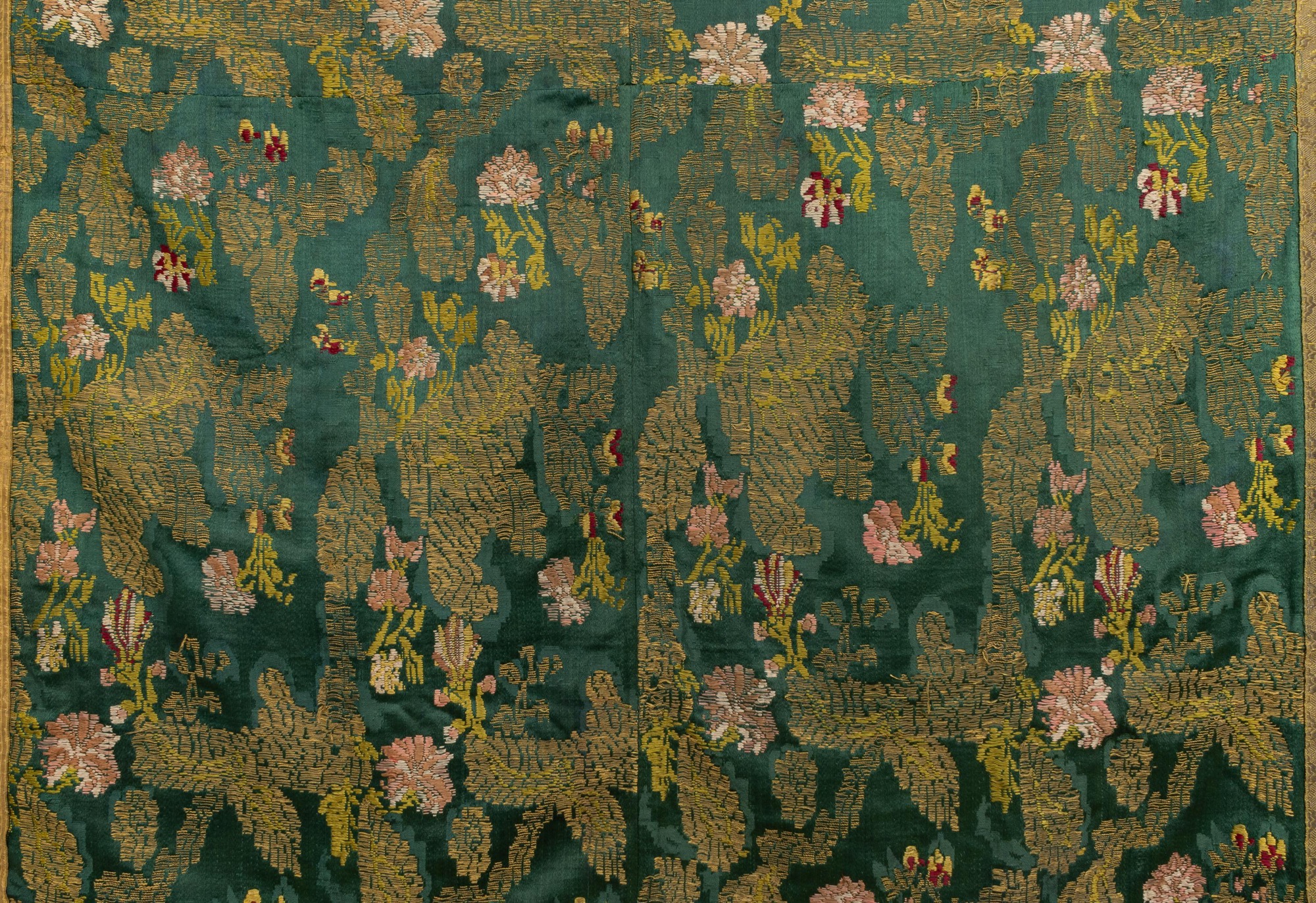
Court instructions and municipal ordinances regulate not only the fabric itself but also how it may be worn: the length of the cloak, the shape of the collar, the volume of sleeves, the amount of lace, permissible colors for mourning, ceremonies, and everyday life. Voluminous sleeves, heavy velvets, lace cuffs, fur linings, plumed hats come together into a single code: this is not mere decoration but part of a grand staging, by which one can immediately see who is permitted to occupy center stage and who must stand in the background.
In women's clothing, silhouettes become even heavier and more ceremonial
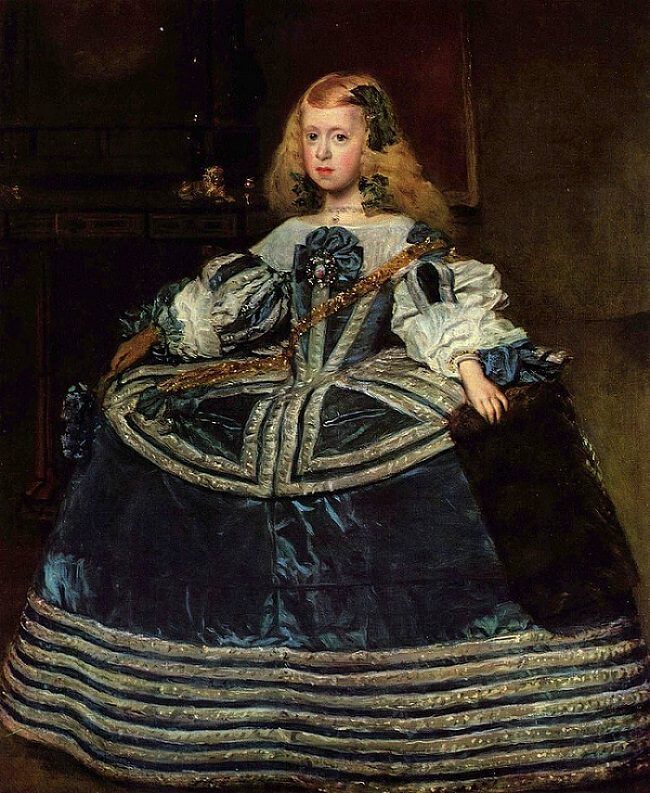
Bodices rigidly shape the bust and waist; skirts are expanded by multiple petticoats and frameworks; sleeves are constructed as separate architectural elements.
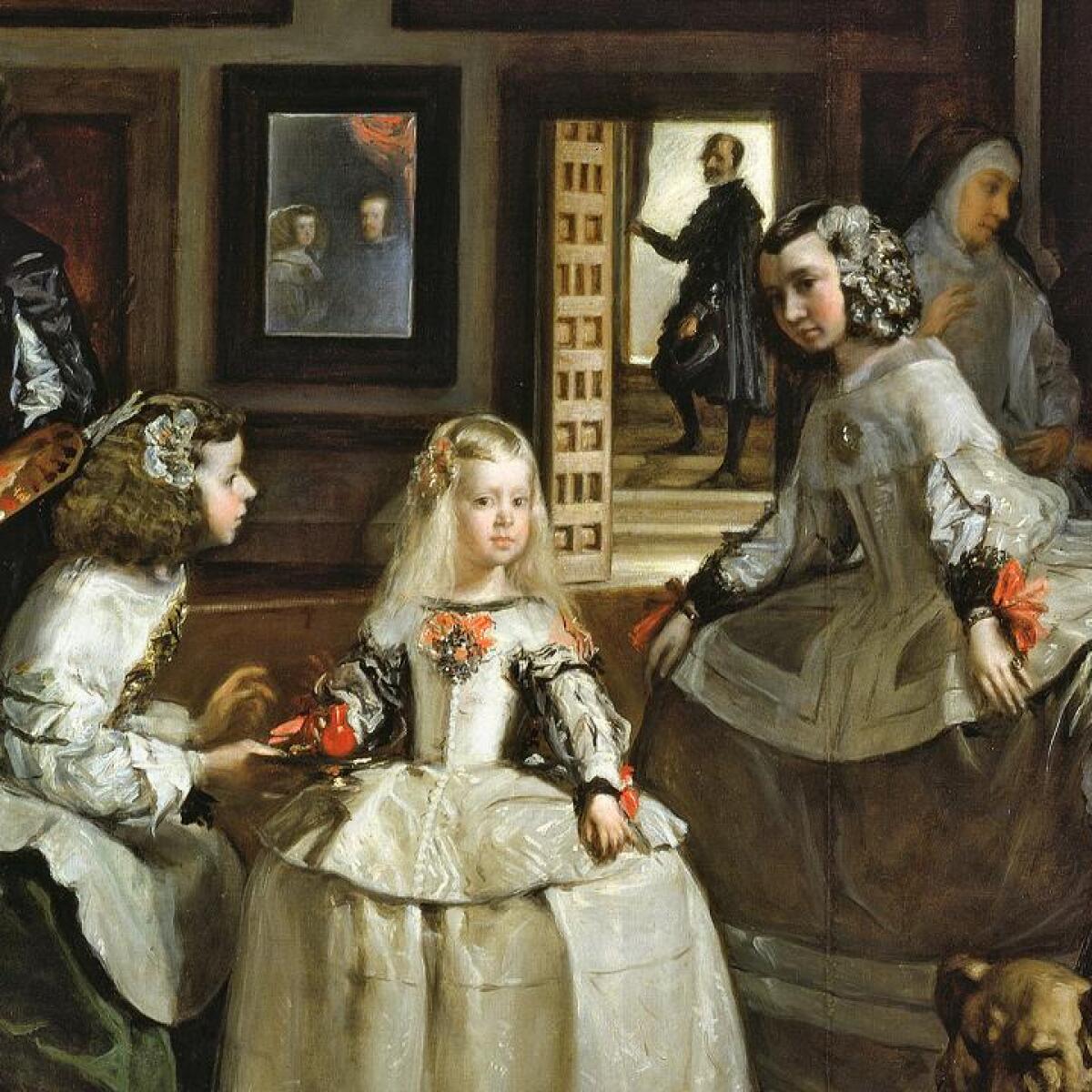
A whole set of signs hangs on a woman: the depth of the décolletage, the quantity and quality of lace, the length of the train, the type of headdress — all of this shows where a woman stands: at court, in an urban family, in mourning, in a monastic setting. Some silhouettes are permissible only for celebrations, others for church attendance, still others for the domestic circle. Behind this stand both money and laws and ideas of propriety: where bare shoulders are acceptable, where only covered hair and neck are allowed.
Clothing at this time is still read as a clear code, but tension grows within the code
Baroque costume is supposed to reassure: everything is in its place, rank is visible, piety demonstrated. But the more powerfully painting shows living faces, doubt, fatigue, temperament, the more visible it becomes that costume is no longer simply a sign but a role that must be maintained.
For a man, dark or black attire becomes armor concealing fear and dissent; for a woman, the elaborate dress fixes the body and deprives her of spontaneous gesture. The light of Caravaggio and Rembrandt captures precisely this gap: the fabrics are impeccable, the pose correct, yet inside — something entirely different.
The more complex the costume becomes, the more time is required to carry it — and body and face must constantly match the declared role. Constant control of posture, expression, and gestures gradually grows into the psyche: living "in a composed state" is perceived not as effort but as the norm, and any relaxation as a dangerous lapse in others' eyes.
The 17th century leaves the feeling that the dress code has ceased to be merely "I am" and has become also "I must appear to be" — and artists for the first time show this difference so clearly.
Next part of the project - 18th Century: Light Air in Art, Heavy Silk in the Dress Code