The History of the Visible Self: From Icons to Instagram
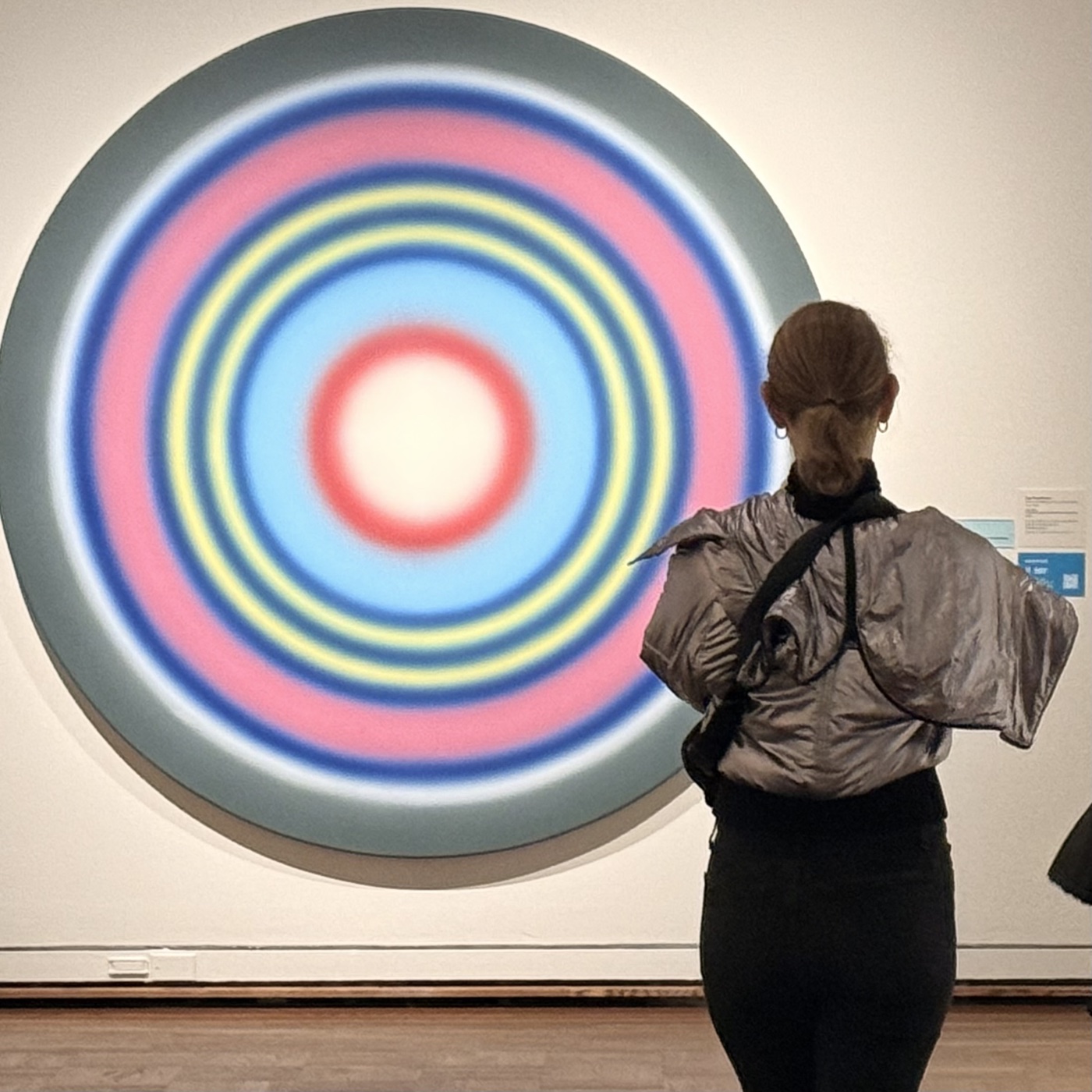
What This Project Is About and How to Navigate It
"The History of the Visible Self: From Icons to Instagram" is a series of texts about how, over several centuries, we have traveled from people with a "label above their head" to people with an avatar for the camera.
The project draws on art history, textile development, books about fashion, and research on how vision works. But at the center are not things or trends, but the question: what does clothing do to our sense of self?
👉 If you want to read a short version with just the final conclusions, you can skip directly to the project's concluding text — it brings all the centuries together into one line.
We look at paintings, fabrics, and dress codes not as "fashion of the past," but as a mechanism that slowly rewired the psyche.
Project Structure: Centuries and Themes
Each text is structured the same way:
- what new things painting learned to do;
- how paints and fabrics changed;
- what this set in motion in dress codes (especially women's);
- and what psychological knot was ultimately tied.
Project Articles
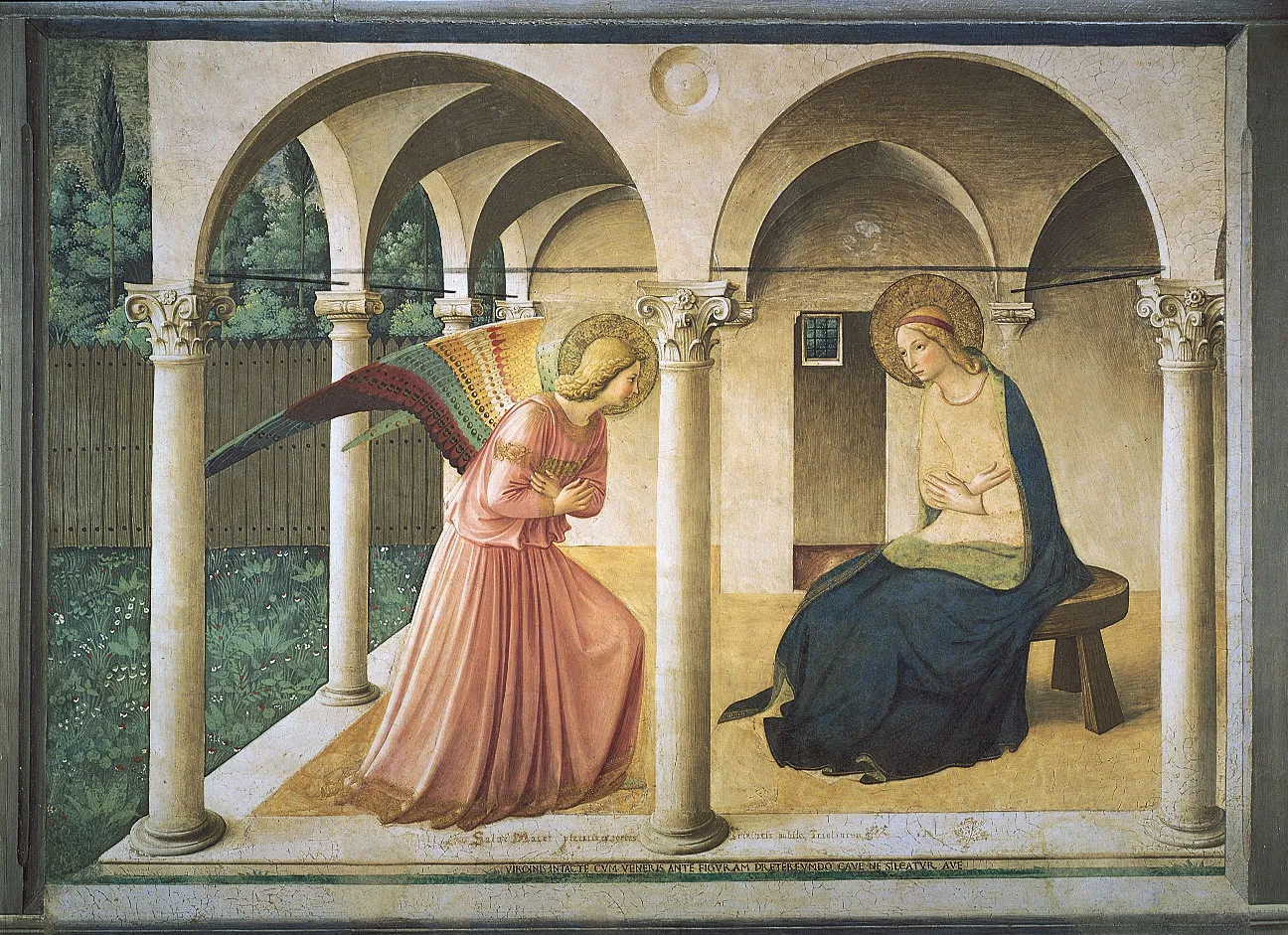
Before 1500: Sacred Images, Rare Pigments, and Clothing as Passport
The first part of the project 'The History of the Visible Self: From Icons to Instagram' — about how the medieval alliance of painting, color, and fabric established our basic perceptual settings
Read more →
16th Century: Painting as Engineering, the Emergence of 'Fashion'
The second part of the project 'The History of the Visible Self: From Icons to Instagram' — about how the 16th century invented fashion.
Read more →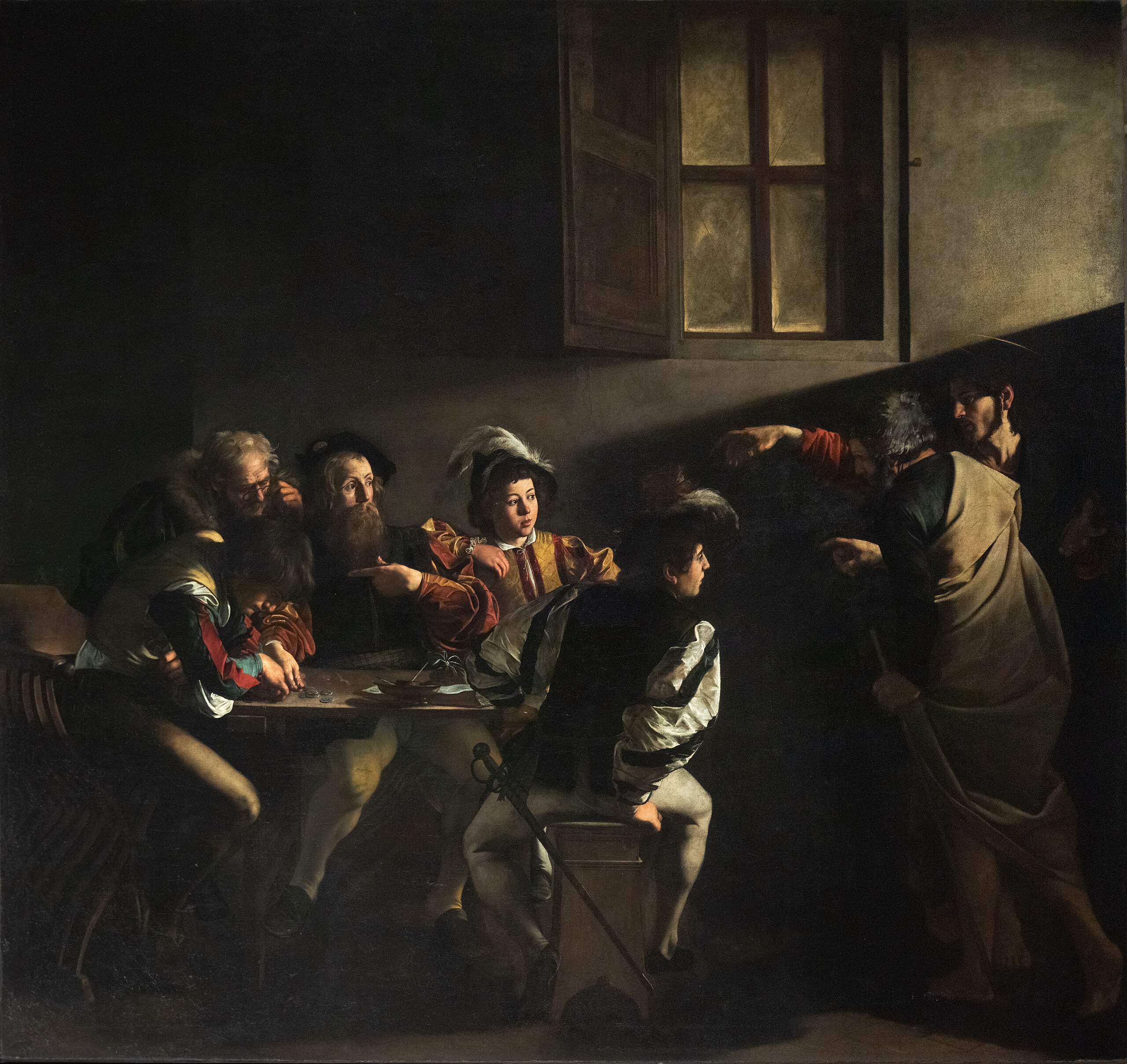
17th Century: The Theater of Light in Painting, Baroque Costume as Role
The third part of the project 'The History of the Visible Self: From Icons to Instagram' — about the baroque tension between light, fabric, and the living person inside the role.
Read more →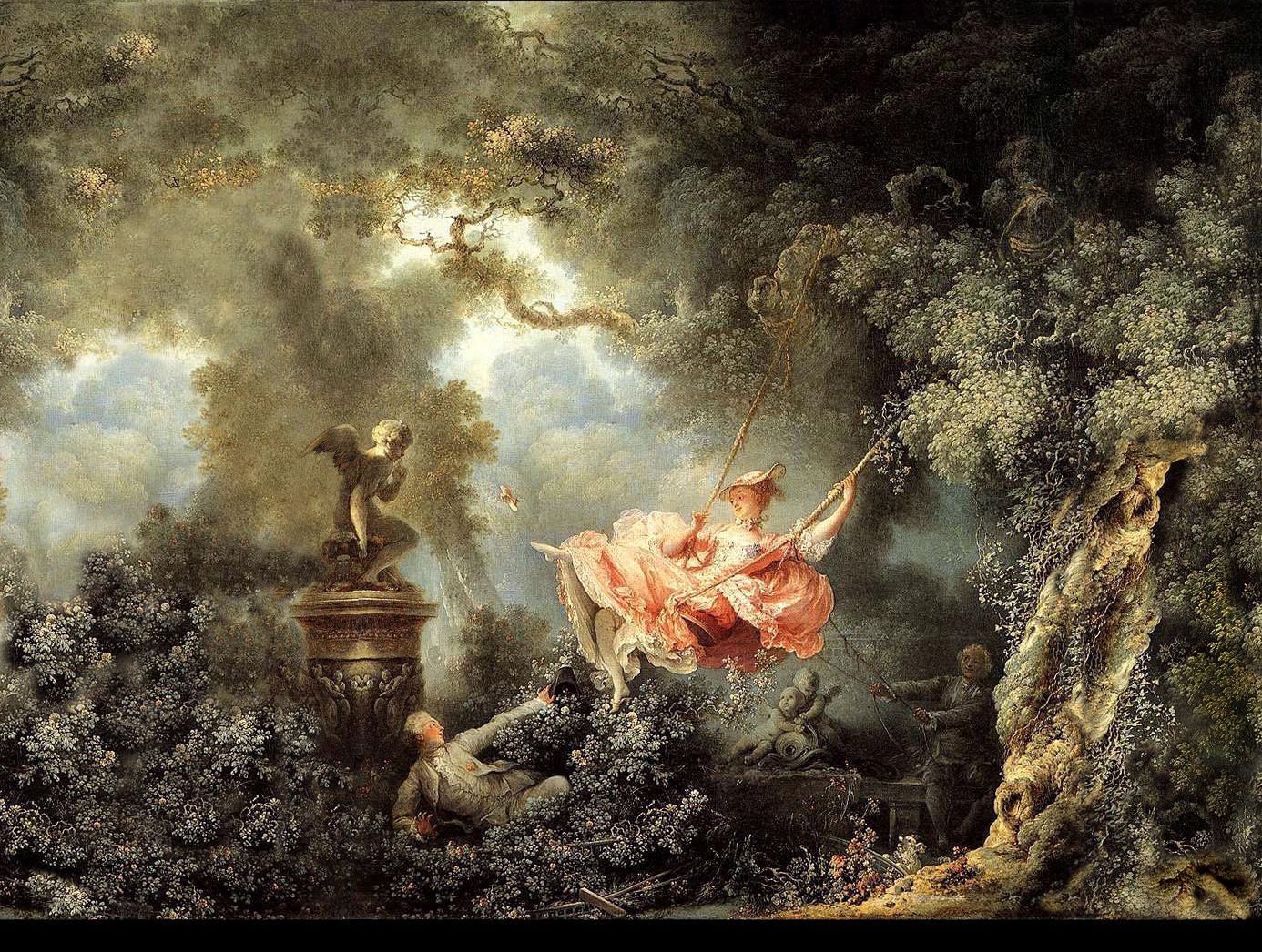
18th Century: Light Air in Art, Heavy Silk in the Dress Code
This part of the project 'The History of the Visible Self: From Icons to Instagram' explores how the pastel imagery of the 18th century still influences which outfits we consider light, proper, and decently beautiful.
Read more →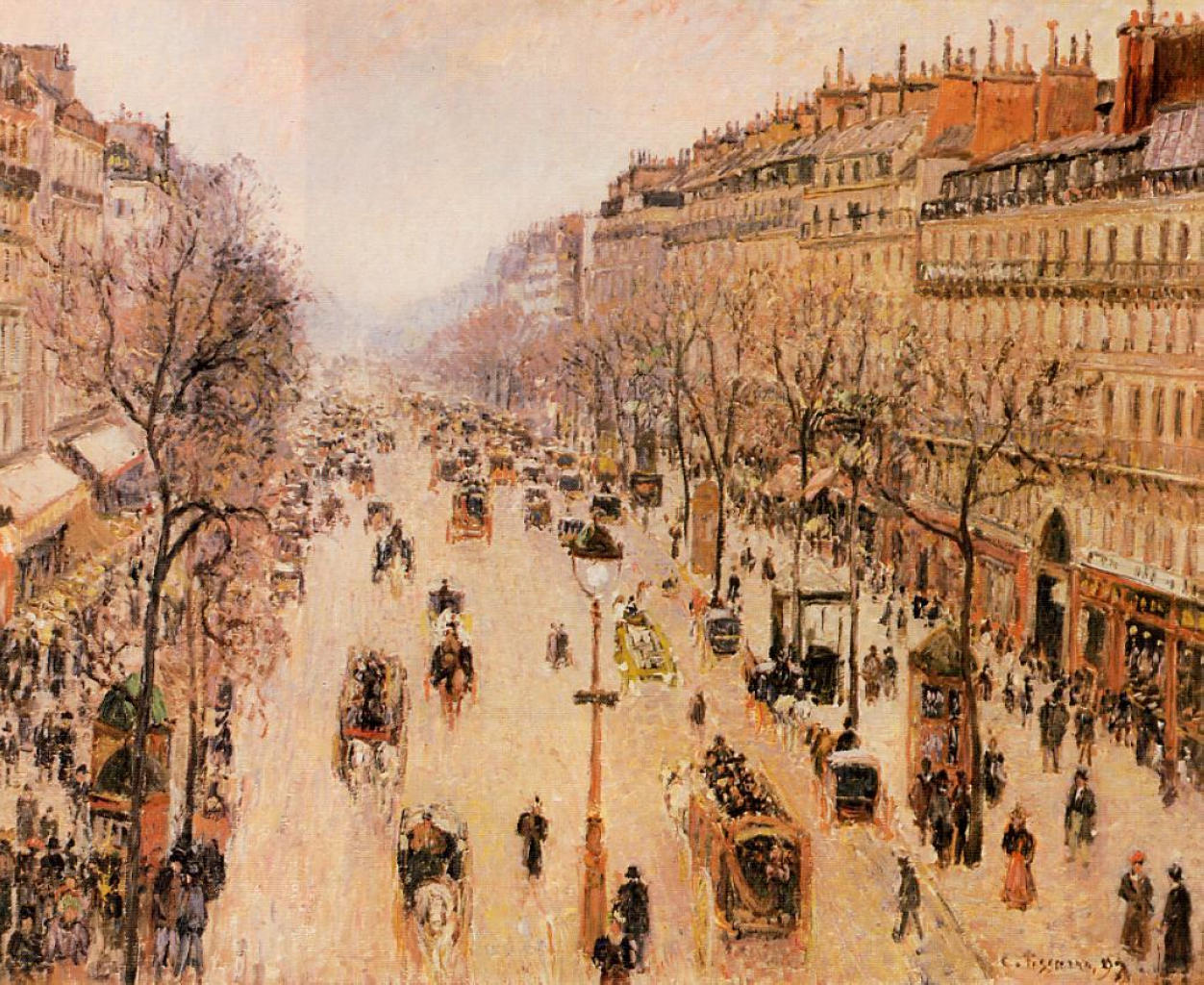
19th Century: Impression in Painting, Factory in Fabric, Respectability in Costume
The fifth part of the project 'The History of the Visible Self: From Icons to Instagram' explores how the 19th century invented the image of a respectable person — and why it still works today, from offices to official portraits.
Read more →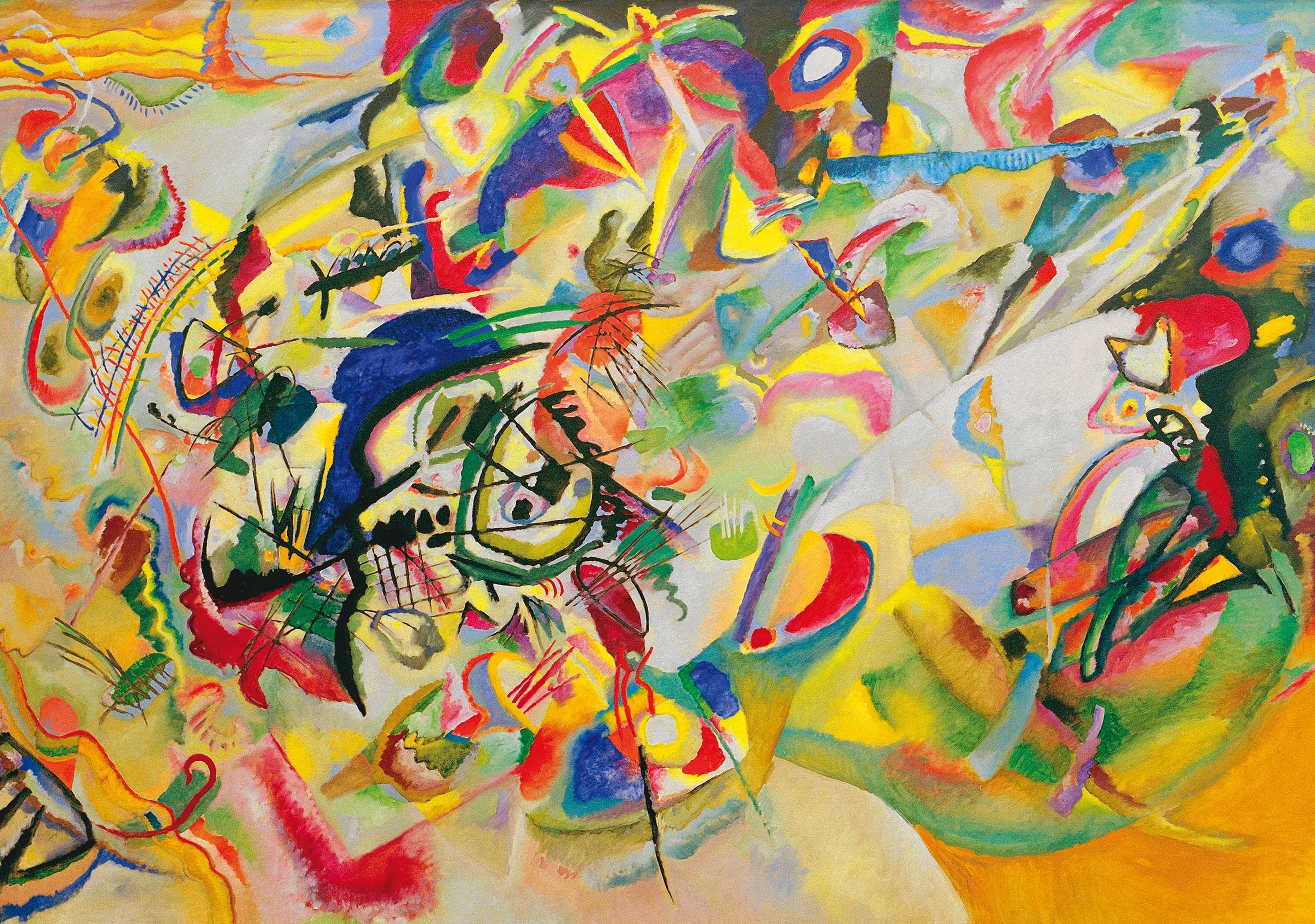
Early 20th Century: Form in Painting, Movement in Clothing
The sixth part of the project 'The History of the Visible Self: From Icons to Instagram' explores how the early 20th century invented the image of the 'modern person,' for whom what matters is not lineage but speed, functionality, and the ability to live at a new pace.
Read more →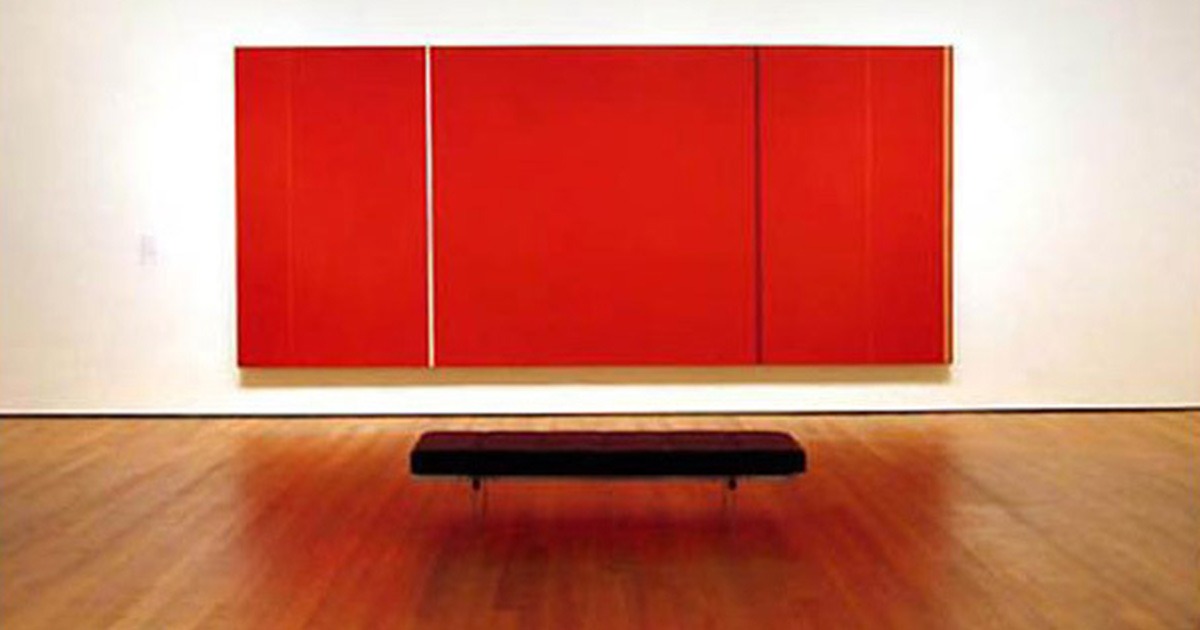
1945–1960s: The Grand Gesture on Canvas, the New Look, and the Gray Uniform of the Office
The seventh part of the project 'The History of the Visible Self: From Icons to Instagram' explores how the world attempted to reassemble itself after the war.
Read more →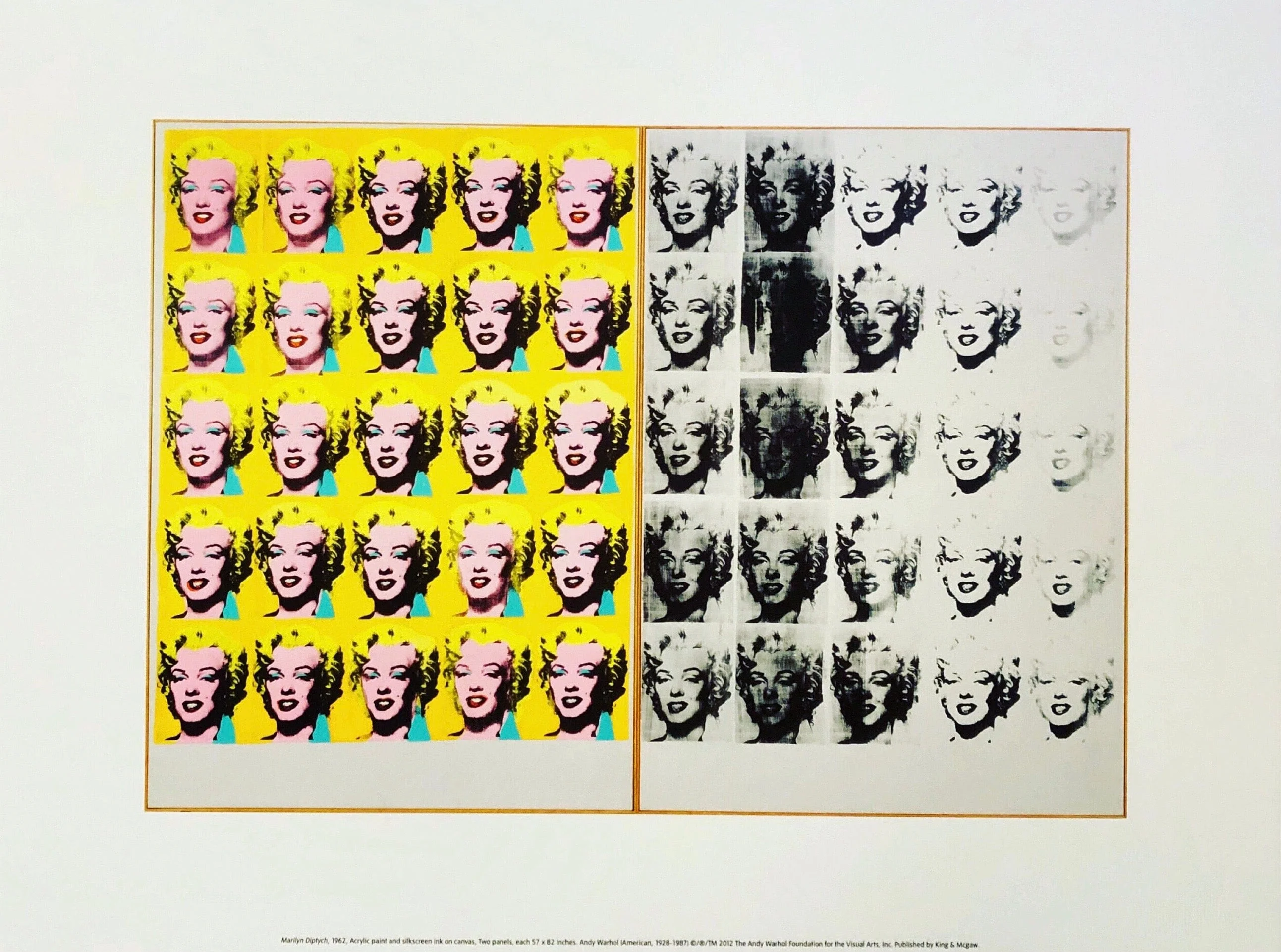
1960–1980s: Mass Culture in Art, "Uniqueness" in Clothing
The eighth part of the project 'The History of the Visible Self: From Icons to Instagram' explores how the world shifts into a mode of continuous broadcasting.
Read more →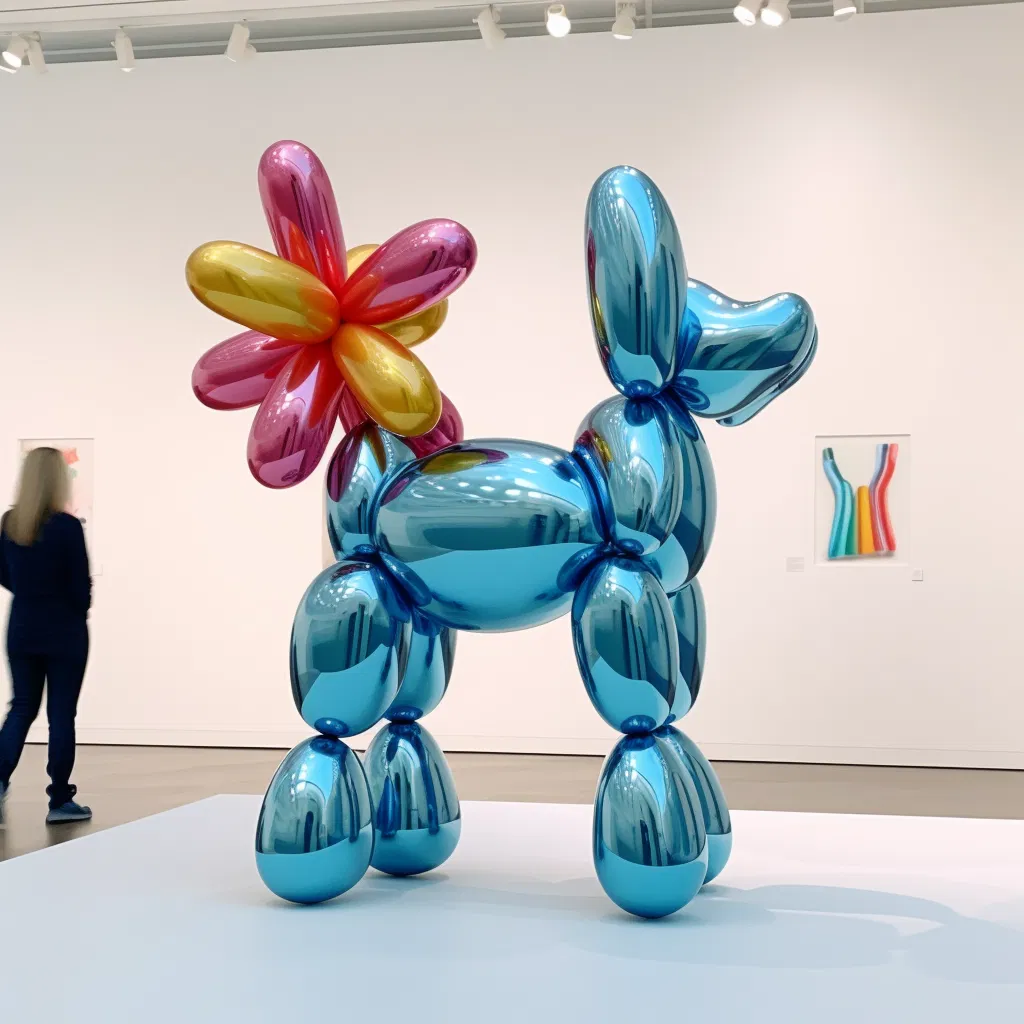
1980s–Present: Environment in Art, Brand in Clothing
The ninth part of the project 'The History of the Visible Self: From Icons to Instagram' explores a time when everything becomes environment and interface.
Read more →
Final Part of the Project 'The History of the Visible Self: From Icons to Instagram': What Clothing Has Done to Our Psyche
If you line up all the centuries side by side, it becomes clear: colors, fabrics, and silhouettes changed, but the main movement happened elsewhere — in how a person experiences themselves through art and clothing. From a rigid and limited place in the world, we have step by step arrived at a quickly replaceable "self for the camera," which can be assembled from logos and filters.
Read more →